
Running a business means making strategic decisions every day, and your financial strategy is one of the most important. Learning how to find a CPA who truly understands your goals can make the difference between basic tax compliance and long-term financial optimization.
When you choose carefully, you gain more than accounting support. You get a professional who helps you build a strong financial foundation that supports growth, protects your revenue, and prepares your business for future opportunities.
Evaluating Professional Credentials and Fiduciary Responsibility
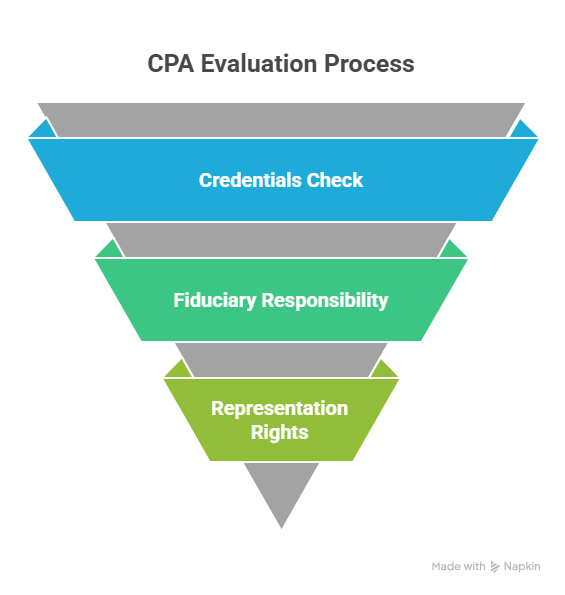
The most crucial step in understanding how to find a CPA is evaluating professional credentials. Not every tax professional operates under the same regulatory standards.
A Certified Public Accountant holds a state-issued license and must meet strict education and examination requirements. They are also required to maintain continuing education and follow ethical guidelines set by the state board of accountancy.
For you, this means accountability. A CPA is legally obligated to act in your best interest and maintain professional integrity in financial reporting. This level of oversight offers protection that uncertified tax preparers cannot provide.
Another key advantage is representation rights. A CPA can advocate for you before the IRS in audits, appeals, and other tax matters. If questions arise about your returns, you want the same professional who prepared them to stand beside you and defend the strategy.
Identifying Strategic Expertise That Matches Your Business Model
Another critical factor when considering how to find a good CPA for a small business is identifying someone who understands your specific business structure and growth plans.
Different industries face unique tax challenges. Technology startups may deal with research credits, while service-based businesses must optimize contractor reporting and cash flow management. Your CPA should understand the financial mechanics that drive your industry.
For example, if your business structure could benefit from transitioning into an S corporation, a knowledgeable CPA can evaluate whether that move would reduce self-employment taxes and improve your overall tax efficiency.
Rather than waiting for you to ask questions, the right CPA anticipates opportunities and risks before they impact your finances. This proactive mindset is what separates basic tax preparation from true financial advisory.
Assessing Technology and Financial System Integration
In today’s business environment, your accounting infrastructure must operate in real time. A key step in learning how to find a CPA is assessing how well they integrate with modern financial technology.
Your CPA should be comfortable working with cloud-based accounting platforms, digital documentation systems, and automated financial reporting tools. These systems provide continuous insight into your cash flow, expenses, and tax obligations.
Many business owners also rely on professional Houston bookkeeping services to maintain accurate ledgers throughout the year. When bookkeeping and tax consulting operate together, your financial data remains organized and audit-ready.
Without proper technological integration, accounting can become reactive rather than strategic. The goal is to work with a CPA who uses modern tools to deliver faster insights and more reliable financial reporting.
Checking Communication and Accessibility Before Hiring
One factor when deciding what to look for in a CPA is communication style.
Financial advice only provides value if it is accessible and understandable. Your CPA should be able to explain complex tax concepts in a way that aligns with your business decisions.
During your initial consultation, consider questions such as:
- Do they respond promptly to inquiries?
- Do they explain tax implications clearly?
- Do they provide proactive recommendations?
- Do they offer regular check-ins throughout the year?
A strong communication style ensures you never feel uncertain about important financial decisions. Instead of guessing how tax rules apply to your business, you gain clarity and confidence.
Comparing Fee Structures and Long-Term Value
The final element in learning how to find a good CPA involves evaluating pricing structures.
Some professionals operate strictly on hourly billing models, which can discourage business owners from asking questions due to fear of unexpected charges. Others provide value-based pricing with clearly defined services and expectations.
Understanding how your CPA charges for their services allows you to plan your financial advisory costs just like any other operational expense.
While the lowest price may appear attractive initially, it rarely delivers the greatest value. A knowledgeable CPA saves clients far more in tax optimization and compliance protection than the cost of professional services.
Final Thoughts
Choosing the most suitable financial partner is an important decision you will make as a business owner. By understanding how to find a CPA who aligns with your industry, technology needs, and communication style, you position your company for long-term stability and growth.
At Skyline Financial CPA, you directly get to work with Zahra Samji, who is our best certified Houston CPA. Whether you need guidance on business structure, tax optimization, or financial organization, she ensures your accounting strategy works in alignment with your goals.
Contact us today to schedule a consultation with the best CPA in Houston Zahra and make an initial move toward smarter financial management.
How to Find a CPA FAQs
How to find a good CPA for my specific industry?
The best way to find a good CPA is to ask for referrals within your niche or search for professionals who demonstrate technical knowledge of industry-specific tax credits. You should look for a CPA who speaks your language, whether that is SaaS metrics, e-commerce inventory, or manufacturing R&D.
What to look for in a CPA during the initial interview?
Focus on their communication style and their proactive nature. Ask them how they handle tax planning throughout the year and what their process is for representing clients in front of the IRS. A good partner should be able to explain complex tax concepts in a way that makes sense for your business strategy.
How to find a CPA who uses modern accounting software?
When you are choosing a CPA, ask directly about their software stack. A modern CPA will likely use cloud-based tools like QuickBooks Online, Xero, or specialized tax planning software. If they require you to send physical documents or use outdated desktop versions, it may be a sign that their processes are not designed for modern businesses.
Why is the location of the CPA less important today?
With secure portals and digital communication, you can find a CPA who is the right fit for your business, regardless of where they are physically located. This allows you to prioritize expertise over proximity while still receiving professional guidance tailored to your needs.

