
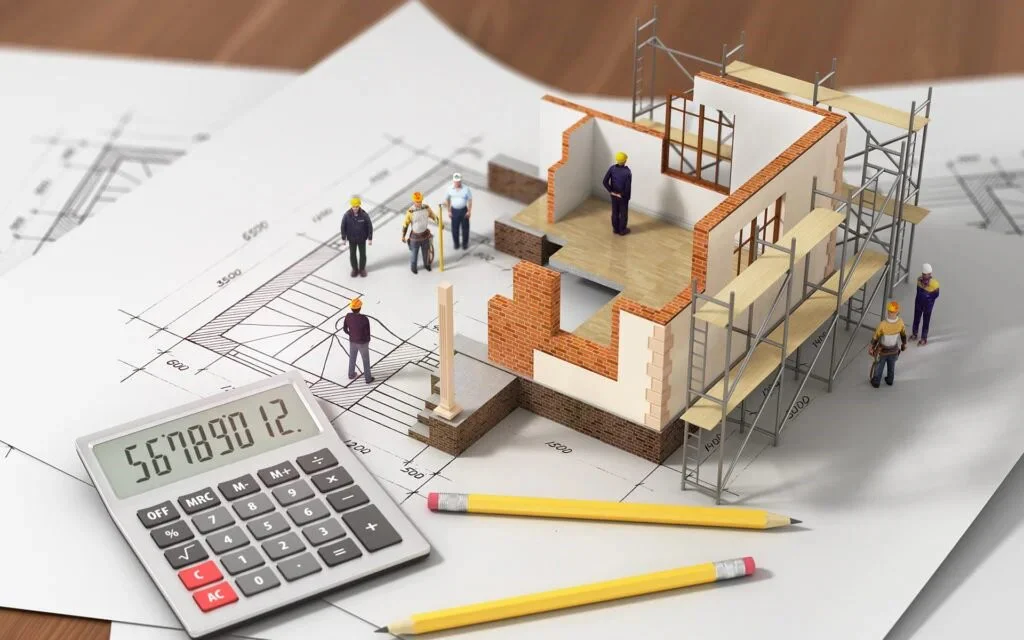
In the construction world, every day is a balancing act. You manage multiple projects, shifting timelines, and unpredictable material costs. Your finances can feel just as chaotic.
Money flows in and out at a dizzying pace, and trying to track it all with standard, off-the-shelf accounting software is like trying to frame a house with a screwdriver. It just doesn’t work.
This is where specialized construction tax accounting comes in, working hand-in-hand with smart construction tax planning to build a more profitable business.
Why Standard Accounting Falls Short for Contractors
Many small contractors start out using basic accounting software. They quickly run into problems. It’s a major step up from managing basic self-employment taxes as a solo operator.
Generic systems are designed for simple sales and expenses. They can’t handle the core financial functions that define the construction business, such as:
- Tracking costs for individual jobs (job costing).
- Managing customer deposits and retainage.
- Handling complex payroll with varying labor rates.
- Recognizing revenue over the life of a long-term project.
Without these capabilities, you’re flying blind. You might know you have money in the bank, but you won’t know which jobs are actually making you money and which ones are draining your resources.
Job Costing is the Backbone of Construction Tax & Financial Management
If you take away only one thing, let it be this: job costing is the most critical component of successful financial management in construction.
Job costing is the process of tracking all of your firm’s costs to a specific, individual project. This detailed tracking allows you to see the real-time profitability of every single job you undertake. It is the foundation of effective construction tax accounting.
A good job costing system tracks everything, including:
1. Direct Costs
Materials purchased for the job, labor hours worked on-site by your crew, equipment rental fees, and subcontractor payments.
2. Indirect Costs
A portion of your business overhead, such as supervisor salaries, vehicle insurance, or office rent, allocated to the project.
When you know precisely what a job costs, you can create more accurate bids for future work, identify areas of waste, and make informed decisions to improve your margins.
Strategies for Overseeing the Cash Flow of Your Construction Company
Cash flow is everything in construction. You often have to pay for materials and labor long before you receive your final payment from a client. Delays from change orders or slow payment on invoices can put a great strain on your operations. Industry groups like the Construction Financial Management Association (CFMA) regularly publish resources on this very challenge.
Specialized accounting helps you get a firm grip on your cash position. By accurately tracking accounts receivable, including retainage (the percentage of payment held by the client until project completion), you can forecast your cash flow with much greater confidence.
This allows you to plan for large expenses, manage payroll without stress, and even secure better financing from lenders who can see you have strong financial controls.
How Construction Tax Accounting May Help You Get Clarity

We worked with a custom home builder here in Houston who was struggling. They were busy, and projects were getting done, but their bank account was always a mystery. They used generic software and often mixed business and personal expenses, making it impossible to see if they were actually profitable.
The first thing we at Skyline Financial CPA did was implement a proper job costing system within their accounting software. We helped them separate their finances and establish a process for tracking every expense, from lumber deliveries to subcontractor invoices, back to the specific home being built.
Within six months, the change was remarkable. For the first time, they could see which projects had the best margins. They realized they were consistently underbidding on kitchen remodels and adjusted their pricing. This clear financial data gave them the confidence to secure a larger line of credit to grow their business. That’s the power of solid construction tax accounting.
Integrating Real Estate and Landlord Accounting
Many successful contractors eventually invest in real estate. You might build a property to hold as a rental or purchase existing properties. When this happens, you need an accountant for landlords who understands both sides of the coin.
Accounting for rental properties is different from project accounting. Instead of tracking costs to a temporary job, you are tracking the long-term performance of an asset. This involves different concepts, like depreciating the property over time and segregating expenses for each rental unit.
If you’re a contractor who also owns rental properties, we can integrate both financial pictures. Our specialized tax services for the Real Estate industry create huge efficiencies for clients like you.
Tax Considerations for Construction Businesses in Texas
Operating in Texas means dealing with specific state-level rules. While you enjoy the benefit of no state income tax, you must manage the Texas Franchise Tax and complex sales tax rules on construction materials and labor.
Accurate accounting is essential to correctly calculate your franchise tax margin and to ensure you are properly handling sales tax. Our firm specializes in tax services for the Construction Industry, and we understand these local requirements.
Frequently Asked Questions (FAQs)
What type of accounting is used in construction?
Construction companies use job cost accounting. For recognizing revenue, they often use specific methods like the Percentage-of-Completion Method for long-term projects, as detailed in IRS Publication 538.
What costs are capitalized during construction for tax purposes?
Capitalized costs are expenses that add value to an asset and are depreciated over time, rather than being expensed immediately. During construction for yourself (e.g., building a rental property), this includes direct costs like materials and labor, plus indirect costs like architectural fees and permits.
How much does it typically cost to hire a construction accountant?
It could range from a few hundred dollars a month for basic bookkeeping to several thousand for comprehensive advisory services. Fees can be hourly or a fixed monthly rate.
What is the best accounting method for rental property?
Most individual landlords use the cash basis method for simplicity: income is recorded when rent is received, and expenses are recorded when paid. Larger real estate enterprises may use the accrual basis for a more precise financial picture.
How does construction accounting software differ from standard software?
Construction-specific software is built around job costing. It has modules for project management, change orders, and detailed labor tracking that standard software lacks. Poor record-keeping in generic software can lead to bigger problems, like back taxes.
Building a Stronger Financial Structure
Your construction business needs a solid financial system, just like any other service-based business. Specialized construction tax accounting is not a luxury; it is a fundamental tool for controlling costs, managing cash flow, and building lasting profitability. Our comprehensive accounting services provide the clarity you need.
Looking to streamline your finances and gain a clear view of your business’s performance? Contact Skyline Financial CPA now to get started.

