

Every year, you may wonder whether you are claiming all available tax deductions to maximize refund opportunities. While many taxpayers focus only on standard deductions or basic credits, thoughtful planning reveals overlooked write-offs that significantly reduce taxable income.
The difference between an average return and an optimized one usually comes down to documentation, eligibility awareness, and proactive tax planning.
If you want to keep more of what you earn, you need more than last-minute filing. You need a structured approach that aligns deductions with your income type, filing status, and long-term financial goals.
How Strategic Planning Boosts Your Tax Deductions Effectively
Claiming deductions is not about adding every possible expense to your return. It requires understanding:
- Eligibility thresholds.
- Income phase-outs.
- Recordkeeping standards.
- IRS substantiation rules.
Improper deductions can trigger audits, while missed deductions leave money unclaimed. Strategic planning ensures your return is both optimized and defensible.
When reviewing your annual filing under individual tax preparation, your deduction strategy should reflect your unique income sources, whether W-2 wages, investments, or business income.
Tax Deductions To Maximize Refund For Homeowners
Homeownership provides multiple deduction opportunities, but many taxpayers fail to evaluate them fully.
You may qualify for:
- Mortgage interest deductions.
- Property tax deductions within IRS limits.
- Mortgage insurance premiums in certain cases.
- Home office deduction if eligible.
The home office deduction is frequently misunderstood. It requires exclusive and regular use for business. Casual or mixed-use space does not qualify.
Additionally, refinancing your home may change the deductibility of interest, especially if funds were used for non-home-related purposes.
Careful evaluation ensures compliance while increasing available savings.
Self-Employed Write-Offs That Reduce Taxable Income
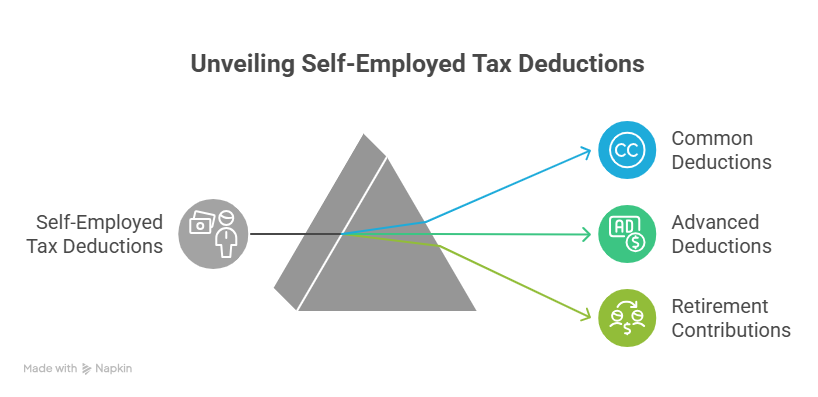
If you are self-employed, your deduction opportunities expand significantly. However, documentation standards also increase.
Under self-employment tax preparation, proper expense tracking is essential for audit protection.
Common deductions include:
- Business mileage.
- Office rent.
- Software subscriptions.
- Professional services.
- Health insurance premiums.
Beyond basic expenses, you should also consider:
- Section 179 equipment expensing.
- Retirement contributions.
- Business use of vehicle calculations.
- Depreciation planning.
Overlooking retirement contributions is a major missed opportunity. SEP IRAs or solo 401(k)s can substantially reduce taxable income while building long-term wealth.
Overlooked Adjustments That Increase Refund Potential
Some of the most valuable strategies are adjustments to income rather than itemized deductions.
Examples include:
- Student loan interest deduction.
- HSA contributions.
- Educator expenses.
- Traditional IRA contributions.
These adjustments reduce your adjusted gross income, which can increase your eligibility for other credits and deductions.
Many taxpayers focus solely on itemizing versus taking the standard deduction. However, above-the-line adjustments can create meaningful tax savings regardless of which method you use.
Timing Strategies That Affect Refund Outcomes
Timing plays a critical role in maximizing refunds.
You may benefit from:
- Accelerating deductible expenses before year-end.
- Deferring income into the following tax year.
- Bunching charitable contributions.
- Prepaying certain business expenses.
For example, bunching charitable donations into one tax year may push you over the standard deduction threshold, allowing you to itemize strategically.
Planning must occur before December 31. Waiting until filing season limits your options.
Medical Expense Planning Besides Basic Thresholds
Medical expenses are tax-deductible only when they go above a certain percentage of adjusted gross income. Because of this threshold, many taxpayers assume they do not qualify.
However, coordinated planning can help you take full advantage of tax deductions to maximize refund. For example, you can:
- Schedule elective procedures in one tax year.
- Combine dental and vision costs.
- Include mileage to medical appointments.
- Deduct long-term care premiums where eligible.
If your expenses approach the threshold, tracking every qualifying cost becomes essential.
Education And Family-Related Deductions
If you pay for higher education or support dependents, you may qualify for:
- Lifetime Learning Credit.
- American Opportunity Credit.
- Child and Dependent Care Credit.
Each credit has specific income limits and eligibility criteria. Claiming the wrong credit or failing to coordinate tuition payments properly can reduce your potential benefits.
Family-related deductions require careful documentation, especially in cases of shared custody or divorced parents.
Comparing Standard and Itemized Deductions Strategically
The decision to itemize should not be automatic. It should be calculated.
| Category | Standard Deduction | Itemized Deduction |
| Simplicity | High | Moderate |
| Documentation required | Minimal | Detailed |
| Best for | Lower expense totals | High deductible expenses |
| Planning flexibility | Limited | Greater |
You should evaluate both methods annually rather than assuming one approach always applies.
State Tax Considerations That Are Often Missed
Many taxpayers focus only on federal returns. However, state tax laws differ significantly.
Certain deductions allowed federally may not apply at the state level. Additionally, moving between states mid-year can create complex filing situations.
Proper coordination prevents double taxation and ensures credits are applied correctly.
Audit Protection Through Documentation Discipline
Maximizing deductions should never compromise compliance.
You should maintain:
- Receipts and invoices.
- Mileage logs.
- Bank statements.
- Contribution acknowledgments.
Digital recordkeeping systems simplify this process. Inadequate documentation is one of the most common reasons deductions are disallowed during audits.
Tax deductions to maximize refund must always be supported by proper substantiation.
Long-Term Planning Versus Annual Filing
The most effective strategy involves year-round tax planning instead of reactive filing.
You should periodically evaluate:
- Income projections.
- Withholding adjustments.
- Estimated tax payments.
- Retirement contribution limits.
When you approach taxes strategically, your refund becomes a result of planning rather than luck.
At Skyline Financial CPA Houston, Zahra Samji analyzes your overall financial situation to ensure your deductions align with both immediate savings and long-term financial stability.
To Conclude
Claiming every eligible deduction requires more than reviewing last year’s return. It requires proactive planning, accurate documentation, and a clear understanding of IRS rules. Tax deductions to maximize refund opportunities vary depending on your income structure, life changes, and business activities.
Want to ensure you are not missing valuable deductions or risking compliance errors? We can build a customized strategy to reduce your taxable income responsibly. Reach out to Houston CPA Zahra today!
FAQs
- Can maximizing deductions increase my audit risk?
Not if deductions are legitimate and properly documented. Accuracy and substantiation are key.
- Should I itemize every year?
Not necessarily. You should calculate both standard and itemized options annually to determine which provides greater benefit.
- Are retirement contributions really tax-deductible?
Yes. Traditional retirement contributions may reduce taxable income depending on eligibility and income limits.
- Can I deduct home office expenses if I work remotely?
Only if you are self-employed and use the space exclusively and regularly for business.
- When should I start planning for next year’s deductions?
Ideally, at the beginning of the tax year. Ongoing planning provides more flexibility than last-minute adjustments.

